

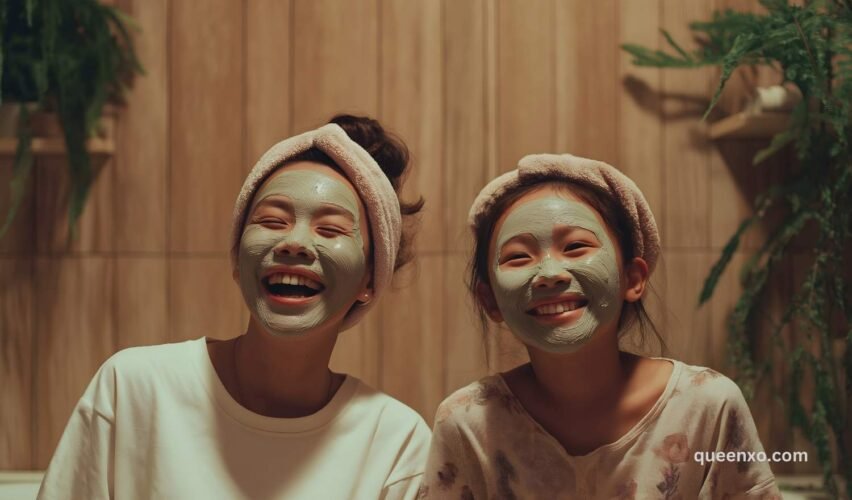
You scroll through photos of tight-knit friend groups, hear stories of unwavering support, and wonder: is that kind of sisterhood real, or just a lucky myth? If your friendships have ever felt fragile, superficial, or simply absent, you’re not alone. In our busy, filtered lives, deep connection can feel elusive. But here’s the hopeful shift: genuine sisterhood isn’t a mythical status you find; it’s a daily practice you build, starting with yourself.
The most powerful step isn’t waiting for the perfect friend to appear. It’s deciding to become the very friend you’re longing for.
Why “Being the Friend” Changes Everything
When we operate from a place of lack—“I have no close friends”—we can seem needy or closed off. But when we focus on giving the qualities we crave—loyalty, presence, encouragement—we transform the dynamic. We become magnets for healthier connections. This isn’t about over-extending yourself; it’s about embodying the energy you wish to receive.
Practical Ways to Cultivate Real Sisterhood
- Initiate with Vulnerability. Instead of the safe “We should hang out!”, try a small, specific risk. Text: “That work thing you mentioned yesterday sounded tough. How are you feeling today?” or “I just watched this and immediately thought you’d love it.” Specificity and memory build bridges.
- Celebrate with Abandon. Practice genuine, zero-envy celebration. When a friend shares good news—a promotion, a personal win—match her enthusiasm. Be her loudest cheerleader. Sisterhood thrives in shared joy, not just shared struggles.
- Show Up Consistently. Consistency builds trust more than grand gestures. It’s the quick check-in, the remembered birthday, the follow-up question from a conversation two weeks ago. It signals: “You matter to me, even when it’s not urgent.”
- Hold Space, Not Just Solutions. When a friend confides, resist the urge to immediately fix it. Often, the greatest gift is listening and validating: “That sounds incredibly hard. I’m so sorry you’re carrying that.” This creates a safe haven for authenticity.
- Release the Scorecard. Authentic friendship isn’t 50/50 every single day. Sometimes it’s 80/20, depending on who’s facing a crisis. Focus on the overall balance of care and respect, not tit-for-tat accounting.
The Ripple Effect of Your Choice
By choosing to be a cornerstone friend, you do more than improve individual relationships. You actively combat the culture of isolation and competition that too often divides women. You create pockets of safety where masks can come off, where failures can be shared, and where growth is nurtured.
Sisterhood isn’t a mythical circle of perfect women who never disappoint each other. It’s a patchwork of chosen family, built consciously through daily acts of kindness, courage, and presence. It starts not with finding your tribe, but with becoming the kind of person a tribe is built around. The connection you seek begins with your own two hands and an open heart. Be the friend, and watch the garden grow.
FAQ:
Q: I’ve tried being a good friend, but I often feel the effort isn’t reciprocated. What should I do?
A: Healthy sisterhood requires mutual respect. If you consistently feel drained or unappreciated, it’s okay to gently rebalance your energy or communicate your needs. Sometimes, being a good friend to yourself means stepping back from one-sided relationships.
Q: How do I make new friends as an adult to practice this with?
A: Start with shared activities (classes, volunteer work, book clubs) where you see the same people regularly. Then, apply the principles above: initiate a coffee after the event, remember small details, be consistently kind. Friendships are built through repeated, positive contact.
Q: Isn’t this a lot of emotional labor?
A: It can be if it’s unreciprocated. The goal isn’t to become everyone’s therapist. It’s about offering the basic, humanizing kindness you’d want for yourself. True sisterhood should feel energizing and reciprocal over time, not depleting.